
Halloween is a time for costumes, candy, creative activities, and making special memories with family and friends. While many children look forward to trick-or-treating and spooky celebrations, Halloween can also bring unique challenges for children with autism and other sensory or developmental needs. Unfamiliar routines, loud noises, crowded neighborhoods, uncomfortable costumes, and unexpected changes can sometimes make the holiday overwhelming.
At Behavior Matters LLC, we believe every child deserves the opportunity to experience Halloween in a way that supports their individual needs, interests, and comfort level. With a little preparation, flexible expectations, and fun activities, families can create a Halloween experience that is both meaningful and enjoyable.
In this guide, we are sharing sensory-friendly Halloween ideas, simple crafts, practical safety tips, and ways to help children feel more comfortable throughout the spooky season.
Understanding Sensory Needs During Halloween
Halloween introduces many sensory experiences at once. Flashing decorations, loud sound effects, unfamiliar textures, strong smells, and large crowds may be exciting for some children but overwhelming for others.
Children with autism may experience sensory input differently. Some may be sensitive to certain sounds, lights, or clothing textures, while others may seek additional movement, touch, or visual stimulation. Every child is different, so it is important to consider their individual preferences rather than assume that one approach will work for everyone.
Families can help by preparing children for what to expect, offering choices, and creating opportunities to take breaks. Remember that a successful Halloween does not have to include every traditional activity. The goal is to help each child participate in ways that feel safe, comfortable, and fun.
5 Sensory-Friendly Halloween Activities
Halloween is a wonderful opportunity to explore creativity, practice skills, and enjoy hands-on experiences. These activities can be adapted for different ages, abilities, and sensory preferences.
1. Create a Halloween Sensory Bin
Fill a shallow container with Halloween-themed items such as plastic pumpkins, large toy spiders, soft fabric scraps, scoops, cups, or other child-safe objects. You can also use dry materials such as rice or shredded paper if they are appropriate for your child’s needs.
Invite your child to explore the materials, sort objects by color, fill containers, or search for hidden Halloween toys.
Skill-building opportunity: Sensory bins can encourage exploration, fine motor practice, matching, sorting, and communication.
Helpful tip: Always consider choking hazards, allergies, and whether your child tends to put objects in their mouth. Supervise closely and choose materials appropriate for their developmental needs.
2. Make Halloween-Themed Crafts
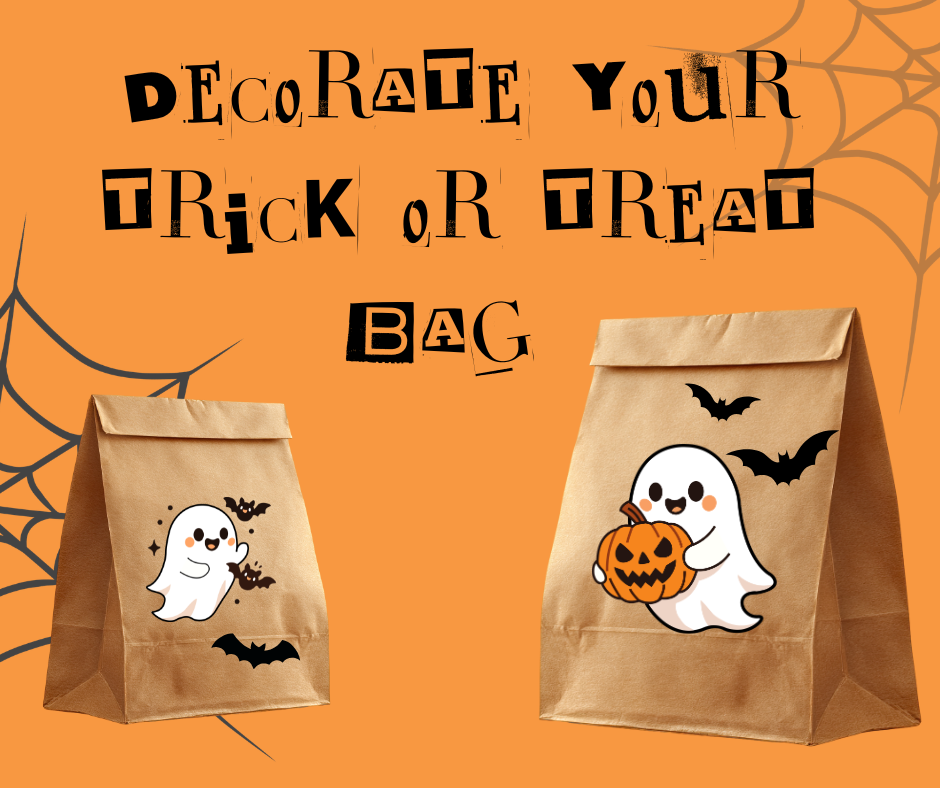
Crafts provide an opportunity for children to express themselves while practicing coordination and following simple steps. Try making paper plate pumpkins, friendly paper ghosts, Halloween masks, or handprint bats.
Offer different materials, such as crayons, washable markers, stickers, and textured paper. Let children choose what they would like to use, and avoid requiring them to touch materials that feel uncomfortable.
Skill-building opportunity: Crafts can support creativity, fine motor development, decision-making, and following directions.
3. Try Halloween-Themed Sorting Games
Use plastic pumpkins, paper bats, colored blocks, or picture cards to create a simple sorting activity. Children can group objects by color, size, shape, or category.
For an additional challenge, encourage children to count objects, identify patterns, or communicate which items they prefer.
Skill-building opportunity: Sorting games can encourage visual discrimination, early math concepts, categorization, and receptive language.
4. Explore Halloween Sounds at Your Child’s Pace
Halloween decorations and sound effects can be unpredictable. Introduce Halloween sounds gradually in a familiar environment, allowing your child to control the volume or choose whether to listen.
You might explore gentle sounds, such as a quiet owl hoot or a friendly ghost saying hello. If your child dislikes certain sounds, there is no need to continue the activity.
Skill-building opportunity: This activity can provide opportunities to communicate preferences, make choices, and practice self-advocacy.
The goal is not to make a child tolerate every sound. It is to help them feel comfortable communicating what works for them.
5. Have a Halloween-Themed Story Time
Read a Halloween book together or create your own story about a friendly pumpkin, a neighborhood adventure, or a child preparing for trick-or-treating.
Social stories and visual schedules can also help explain what may happen during Halloween activities. Include familiar details, such as who will be there, what the child might see, and how they can ask for a break.
Skill-building opportunity: Story time can support communication, comprehension, emotional understanding, and preparation for new experiences.
Helping Your Child Prepare for Trick-or-Treating
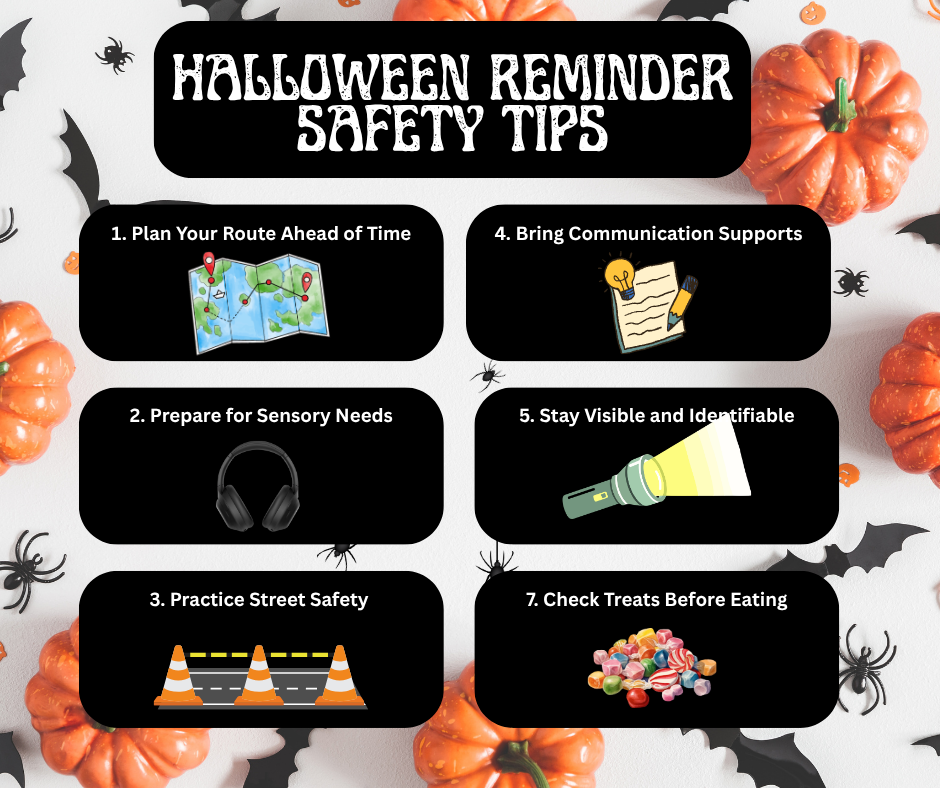
Trick-or-treating can involve many unfamiliar experiences, including approaching new homes, hearing doorbells, encountering strangers in costumes, and walking through crowded streets. Preparing ahead of time can make the experience more predictable.
Consider these practical strategies:
- Practice at home: Role-play knocking on a door, greeting someone, receiving candy, or using an alternative communication method to participate.
- Use a visual schedule: Show the steps of your plan, from putting on a costume to returning home.
- Choose comfortable clothing: Avoid scratchy fabrics, tight accessories, uncomfortable masks, or anything that interferes with hearing or vision.
- Start small: Visit a few familiar homes before deciding whether to continue.
- Plan a quieter route: Choose a familiar neighborhood, a less crowded time, or an alternative event that better suits your child’s needs.
- Bring comfort items: Pack headphones, a favorite toy, communication supports, water, or other helpful items.
- Offer choices: Let your child help decide what to wear, where to go, and when to take a break.
It is also helpful to remember that children do not have to say “trick-or-treat” verbally to participate. Gestures, communication devices, picture cards, or other communication methods can help children express themselves in ways that work for them.
Important Halloween Safety Tips
Safety is an important part of any Halloween celebration. Families can take several steps to help children enjoy activities while reducing potential risks.
Stay Close to a Trusted Adult
Establish a clear plan for staying together. Younger children and children who may wander should have close, appropriate supervision. Consider practicing what to do if you become separated, using a plan tailored to your child’s communication and developmental needs.
Review Road Safety
Use sidewalks and crosswalks whenever possible, stop before crossing streets, and look for vehicles in every direction. Costumes should not obstruct vision, and reflective materials or glow sticks can help improve visibility after dark. Always supervise children near roads and parking areas.
Check Costumes and Accessories
Choose costumes that fit properly and allow children to walk comfortably. Avoid long, trailing fabric that could cause trips, and make sure masks do not block vision or breathing. Test any lights or accessories before heading out.
Check Candy and Treats
Inspect treats before allowing children to eat them. Consider allergies, dietary needs, choking hazards, and any foods your child should avoid. If your child has difficulty chewing or swallowing, follow their established feeding and safety recommendations.
Prepare for Overstimulation
Watch for signs that your child may need a break, such as covering their ears, withdrawing, becoming distressed, or communicating that they want to leave. Offer a quieter space, reduce sensory demands, or end the activity when needed.
A child does not need to push through distress to have a meaningful holiday. Listening to their communication and responding to their needs are important parts of keeping Halloween positive.
Supporting Emotional Regulation During the Holiday
Excitement, anticipation, changes in routine, and unfamiliar situations can bring up many different emotions during Halloween. Some children may feel eager to participate, while others may feel nervous, frustrated, or uncertain.
Families can help by maintaining familiar routines when possible, explaining changes ahead of time, and allowing extra time to transition between activities.
Consider these approaches:
- Use first-then language: For example, “First, we put on our shoes. Then, we can visit Grandma’s house.”
- Offer simple choices: Let your child choose between two costumes, activities, or destinations.
- Build in breaks: Schedule quiet time before or after a busy event.
- Recognize communication: A child may communicate discomfort through words, gestures, facial expressions, or behavior. Respond with patience and curiosity.
- Keep expectations flexible: If a planned activity becomes overwhelming, switch to something familiar or head home.
The purpose of these strategies is to help children access the support they need, not to require them to behave a certain way to earn a fun Halloween.
Alternative Ways to Celebrate Halloween
Trick-or-treating is only one way to celebrate. If traditional Halloween activities are not a good fit for your family, there are many other ways to enjoy the holiday.
You could host a small Halloween party at home, decorate cookies, watch a favorite Halloween movie, create a pumpkin craft, organize a candy hunt indoors, or visit a familiar location during a quieter time.
Some families may prefer daytime events, small groups, or celebrations with predictable routines. Others may choose to skip costumes or decorations altogether.
There is no single right way to celebrate Halloween. What matters most is finding activities that fit your child’s interests, strengths, and support needs.
How Behavior Matters LLC Supports Children and Families
At Behavior Matters LLC, we understand that every child has unique strengths, preferences, and areas where additional support may be helpful. Applied behavior analysis (ABA) services can be individualized to support meaningful goals, including communication, social interaction, daily living skills, and independence.
During everyday activities and special occasions, individualized strategies may help children practice communicating their needs, making choices, following routines, and developing skills that are important to their families.
Support should always respect each child’s dignity, comfort, and individual needs. Families can work with their child’s care team to identify appropriate strategies and prepare for activities that may be new or challenging.
If you have questions about ABA services or would like to learn more about how Behavior Matters LLC supports children and families, we encourage you to connect with our team.
Have a Spooktacular Halloween!
Halloween can be filled with creativity, connection, and memorable moments when families have the flexibility to make the holiday their own. Whether your plans include trick-or-treating, sensory bins, crafts, or a quiet night at home, small adjustments can help make the experience more accessible and enjoyable.
Remember to prepare ahead of time, prioritize safety, offer choices, and respect your child’s individual sensory and communication needs. Celebrate their interests, recognize their efforts, and give them the freedom to participate in a way that works for them.
From all of us at Behavior Matters LLC, we wish you and your family a safe, happy, and spooktacular Halloween!
Looking for more family-friendly activities and helpful resources? Follow Behavior Matters LLC for more ideas to support learning, communication, and everyday success throughout the year.